

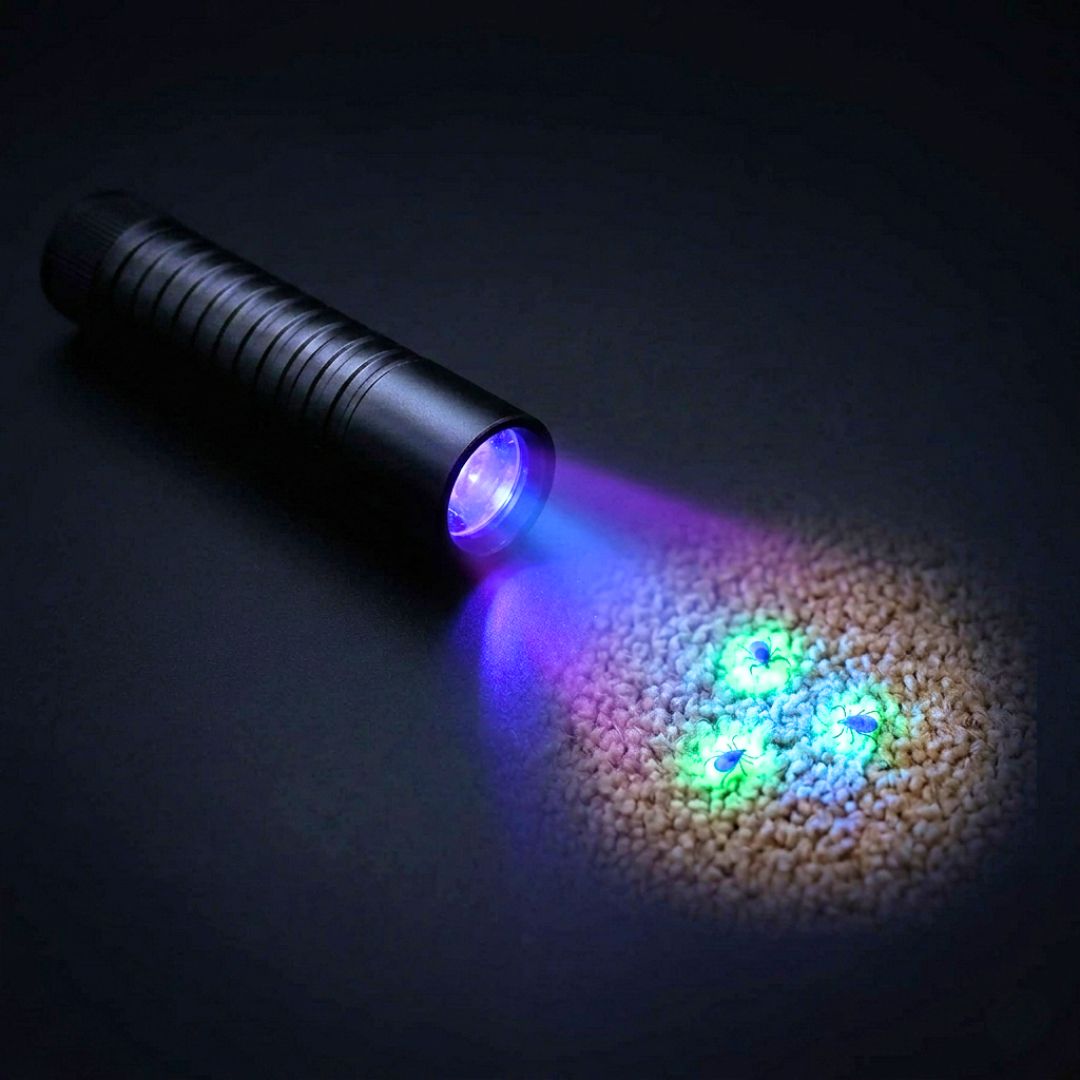
The lone star tick is the only US tick that actively hunts you. It sprints toward your CO2 from 30 feet. It attaches in 90 seconds. One bite can give you alpha gal syndrome, a lifelong red meat allergy with no cure. And it is not just walks in the woods that put you at risk. Your dog is bringing them into your house. TickGuard is cedarwood oil and lemongrass oil at our verified potency, water-based, gentle enough to spray on clothes, skin, pets, your porch, and the doormat. The two plant compounds mask your scent and disrupt the tick's ability to detect you.
Authenticity Notice

Results
92%
Noticed fewer ticks
on themselves, their kids, and their pets within the first 30 days.
87%
Reported peace of mind
knowing their dog wasn't bringing ticks into the house.
94%
Said they feel safer outdoors
during peak lone star tick season.
Based on feedback from 8,400+ families using TickGuard for at least one full tick season east of the Mississippi.


One Bottle. The Whole Family. 4 Seconds Before You Walk Out.
Water-based. No chemical smell, just cedarwood and lemongrass. Doesn't feel sticky. Doesn't melt sunglasses, fishing line, watch bands, or backpacks. Dries in under a minute. Safe to spray on clothes, skin, pets, gear, and the entryway of your house. Cedarwood oil and lemongrass oil are the plant compounds lone star ticks consistently avoid. TickGuard combines both at full strength.
Quality & Testing
Purity
Cedarwood and lemongrass essential oils, third-party verified for natural potency
Testing
Lab-tested for tick repellency and third-party verified for purity
Production
Produced in a GMP-certified facility under strict quality standards
Packaging
bottle and fine-mist sprayer to preserve oil potency
Yes. Cedarwood oil and lemongrass oil disrupt the chemoreceptors ticks use to detect their hosts. They mask the CO2 and lactic acid that lone stars track, and make sprayed surfaces unattractive. TickGuard combines both at concentrations research actually points to, not the underdosed amounts in most "natural" sprays.
Yes. TickShield is water-based, contains only plant-derived essential oils, and is safe to spray on clothing, exposed skin (children 6 months and up), pets, gear, and household surfaces like the porch and doormat. Avoid direct contact with eyes, nose, and mouth. Discontinue use if irritation occurs.
A family of 4 spraying daily during tick season typically gets 2 to 3 weeks per 4 fl oz bottle. If you're spraying clothing, skin, pets, and the porch every time you go outside, plan on one bottle every 2 weeks. If you only spray before hikes and walks, one bottle could lasts 1 to 2 months.
The lone star tick is the only North American tick that actively hunts you. It detects CO2 from 30 feet away and sprints toward its host. Its bite can transmit alpha gal syndrome, a permanent allergy to red meat and pork with no cure. Lone star populations have expanded rapidly across the Southeast and into the Midwest over the past decade.
Shake the bottle. Spray clothing, exposed skin, and your pet's coat from 6 inches away. One 4-second pass per family member. For surfaces like the porch or doormat, mist evenly. One application protects 8 to 12 hours. Re-apply if you swim, sweat heavily, or stay outdoors longer.
Yes for dogs. Spray into your hands first, then rub onto their coat. Focus on the collar area, belly, and behind the ears. For cats, spray their bedding and the surfaces around their territory rather than applying directly, since cats groom heavily and are more sensitive to essential oils. Always avoid eyes, nose, and mouth.
Yes. The dog is the most common vector for ticks entering the home. Spraying him before he goes out and again when he comes back in dramatically reduces the number of ticks that hitchhike inside. Combine that with spraying the doormat, the entryway, and any pet beds and you cut household tick incidents to near zero.
DEET and picaridin are synthetic. They work, but they melt gear, can't be used on cats or porches, and absorb through your skin. Cedarwood and lemongrass oils work through a different mechanism (scent masking and receptor disruption) and are safe on clothing, skin, pets, and indoor surfaces.
Frequently Asked Questions
Contact Us